
A résumé headshot, from one selfie
A CV photo has one job: a recruiter glancing at a page should recognise you at the interview. It does not need to look expensive. Here is what it does need, and how to get it without a studio appointment.
What the photo looks like
- Portrait, around 4:5, from the chest up. The delivered file is about 1232x1536 as a JPEG. Not a 2x2 print, not a 35x45 mm passport size.
- A plain white or near-white background. Light blue and light gray are also available if your market prefers those.
- One formal outfit: a collared shirt, that shirt with a navy jacket, a plain traditional top, or keep the clothes in your photo. Formal beats casual here.
- Recent and recognisable. Beard, glasses, and a head covering stay. Sunglasses off, no beauty filter, face large in the frame.
- Usually under a minute per photo, and you can leave the page once generation starts.
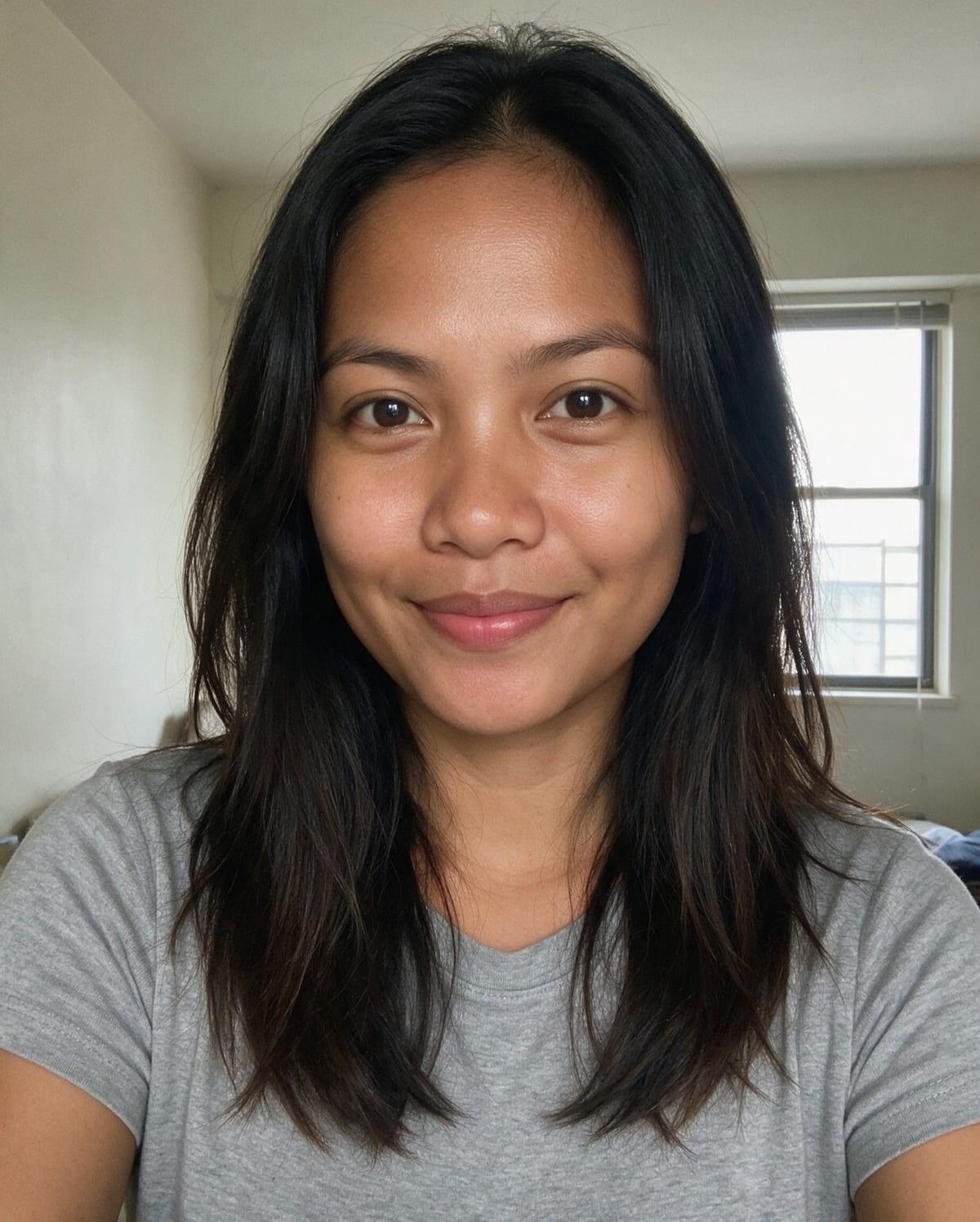
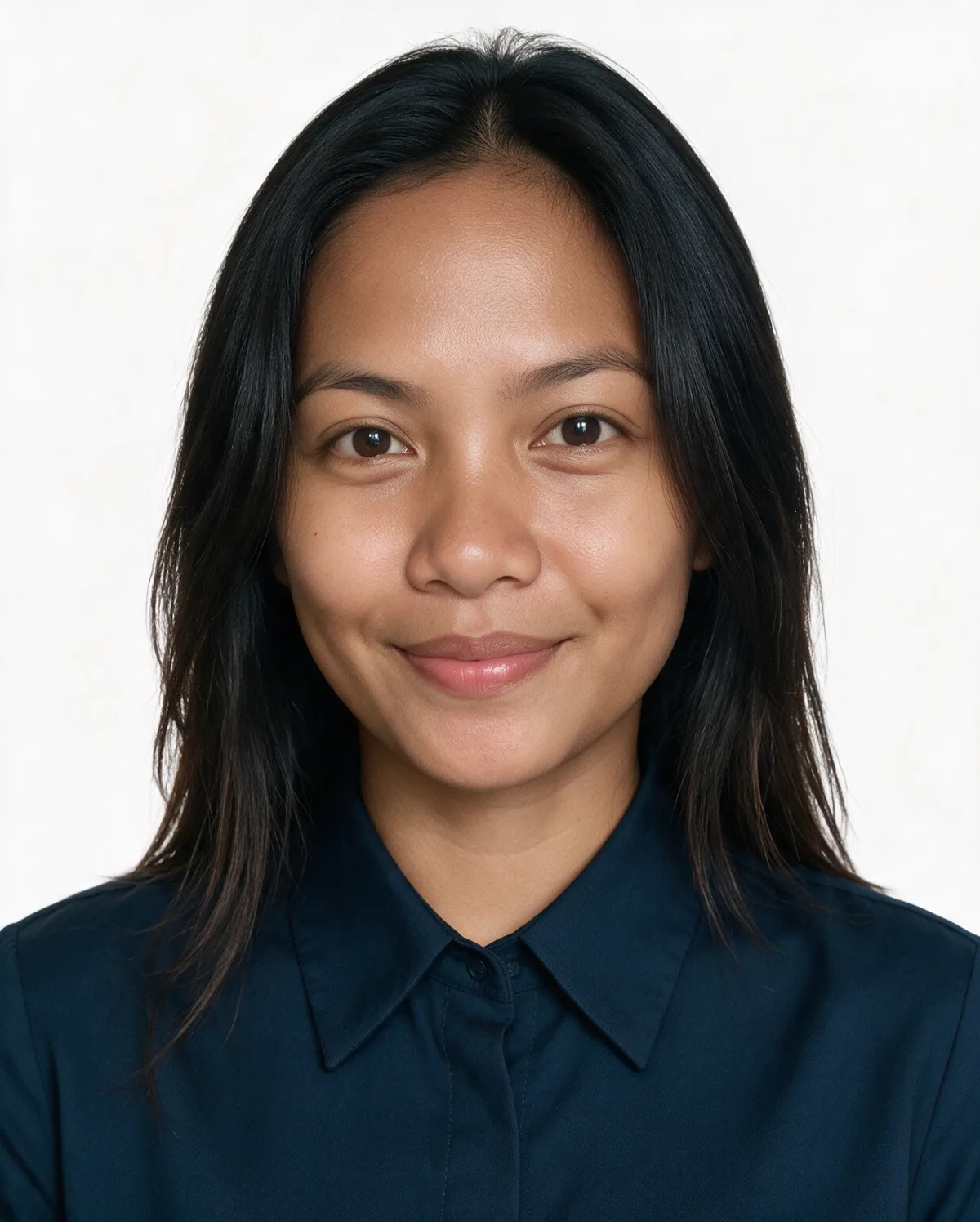
Portrait crop on white, navy collared shirt. This is the shape that sits in a CV header.
Photo or no photo
This is the part that gets argued about, so be direct about it: whether a CV should carry a photo is a local convention, not a universal rule.
- Where a photo is expected, leaving it off makes the CV look unfinished. That covers the Philippines, India, much of continental Europe, Latin America, and the Gulf.
- Where it is not, adding one can work against you. The US, UK, and Canada generally treat it as unnecessary, and some applicant tracking systems discard submissions with images attached.
- LinkedIn is the exception in both cases: a profile photo is expected everywhere, and it is the square crop rather than this one.
If you are applying across both kinds of market, keep two versions of the CV: one with the photo, one without. The same generated photo is still worth having for LinkedIn and for the markets that expect it.
Questions
- Should a résumé have a photo at all?
- It depends on where you are applying, and it is worth checking before you add one. The US, UK, and Canada generally treat a photo on a CV as unnecessary or a bias risk, and some applicant systems screen it out. The Philippines, India, and much of Europe, Latin America, and the Gulf expect one. The same photo is fine for LinkedIn either way.
- What size and shape is a résumé photo?
- A portrait around 4:5, on a plain white or near-white background, from the chest up. That is the shape this tool delivers: about 1232x1536 as a JPEG. It is not a 2x2 or 35x45 mm print, and it is not meant to be.
- Can I use this for a passport, visa, or government ID?
- No. Those require an unedited photograph that meets a published size and background rule, and accepting an AI-redrawn portrait is not something they do. Use a photo booth or a studio for those.
- Does it have to be a formal suit?
- No, but formal beats casual on a CV. A collared shirt is the usual floor; a shirt with a navy jacket reads as more senior. A plain traditional top works where that is the local formal standard, including a barong.
Time and price
One photo usually takes under a minute. Once it starts, you can leave and come back. The free preview is watermarked and needs a Google sign-in first; one account gets one preview. Starter is $4 for 5 watermark-free photos, including the previewed one. Standard is $8 for 11. Each photo can use a different work outfit. Checkout is in US dollars through PayPal, or a card that can pay an overseas seller.
This is a CV and profile photo, not an identification photo. Passports, visas, and government IDs require an unedited photograph that meets a published size rule, and this tool redraws the portrait, so it is not accepted for those.